
Moving from a large home to a much smaller one doesn’t have to be a sacrifice — for some it can be truly liberating! There are, however, a few adjustments you might need to make when it comes to living in a smaller space. This article gives advice on how to organize and decorate a smaller space for maximum comfort and enjoyment.
Providing it’s through choice, moving to a smaller property can feel quite liberating. There’s definitely a sense a freedom that can be achieved from throwing away a chunk of your past, especially if it’s a chunk that you’ve long ceased to care about and that’s now just cluttering up your living space. Moving to a smaller property should be seen as not only taking on a new home but taking on a new way of living no longer will you have to spend every weekend at Ikea or the local D-I-Y store, but you’ll be free to get outside and really live! But while embracing this new way of living might sound the best
and most exciting move you’ll ever make, how do you go about actually living in a smaller space…?
It depends on how small is smaller, for starters. But if you’re giving up a great deal of space for your new home, then in order to live as comfortably as possible you’ll need to use every inch of space in a clever and imaginative
way. That doesn’t mean throwing as much as you can into every available storage cupboard; it means putting up shelves and rods and whatever else is necessary in cupboards in order to use the space to its maximum capacity — vertical space as well as horizontal space. Position those seldom-used items at the very top of the cupboard and keep the floor space free so that you can
store a ladder for when you might need to get to them. Living in a smaller space means that you should spend less time looking for things, as all items will have their own place!
When it comes to furnishing a small space, use multi-purpose pieces. If you don’t have room for a spare bed but still want to have friends over to stay the odd night, then consider an ottoman that can double as a bed for guests. In the master bedroom, a bed with built-in storage or one under which you can store your own boxes will save on space. Use as much of the wall space as you
can — floating shelves, and wall-mounted bedside lights and tables will all add to the feeling of space. Keep as much of the floor as free as you can to create the illusion of space and make the room feel bigger.
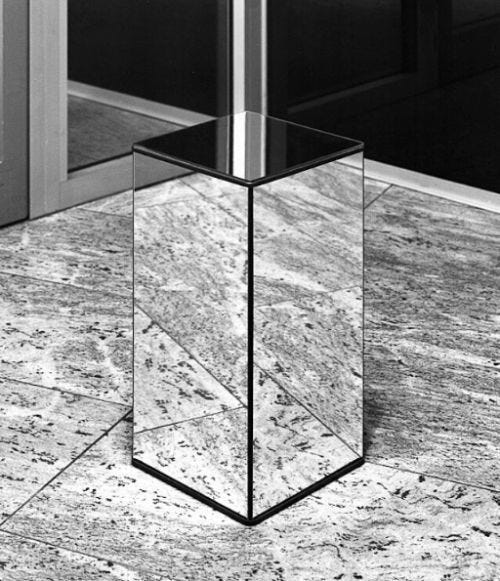
Mirrors are extremely useful in making a space appear bigger. As well as the traditional mirror-over-the-fireplace look, a more off-beat look can be achieved by propping an over-sized framed mirror against a wall — it achieves the same effect. Or try using mirrors in the kitchen with a mirrored backslash or a full-length mirror behind a door in a bathroom or even a built-in wardrobe with mirrored doors in the bedroom.
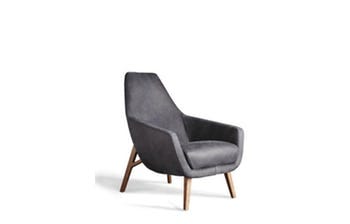
Don’t think that a small living space has to have small furniture. Larger, multi-functional pieces will be more practicable and make the room will feel less cluttered. Arm-less, open chairs, and low tables, positioned away from
walkways will open up the space, and being able to see the floor will make the room look bigger.

Where color is concerned, too many colors can overwhelm a small space so keep the colors simple and uniform; contrasting colors can break up a space, so by using the same color — or hues and tints of the same color — throughout an apartment you can create the illusion of a calm and relaxed space. And light, cool colors will make a space feel open and airy. Any room that’s
well-lit, either by natural or artificial light, will look bigger, so avoid using heavy drapes or anything too fussy around the windows.
It is not unusual for some people of retirement age to consider selling their home and moving into something more affordable and easy to maintain, and this idea entertains some young people aswell. Renting an apartment is much less expensive than owning a home and maintenance of the exterior is the landlord’s responsibility, but renting is not as desirable as owning the place you live in. If you would like to downsize and live in a home that doesn’t require payment of rent, use the following information to acquaint yourself with what types of living arrangements are available and how each one differs so you can choose a home that’s rights for you.
The Co-op
Depending on the state you live in, a cooperative apartment may be looked upon as real estate or intangible personal property, the difference being you own real property, but personal property is owned by a corporation from which you can buy shares of stock that measure in number according to the size of the unit that interests you. With the latter arrangement, the deed shows the name of the corporation, not yours. The proprietary lease you get is what shows you are a tenant of the building who has the right of occupancy. This lease remains in effect for the duration of your stay there.
All tenants living in a co-op pay a monthly fee for maintenance and operation of the building. This fee may also include partial payment of an unpaid mortgage, plus real property taxes. Purchase of a co-op is subject to approval by the building’s board of directors. There are not-for-profit co-ops you may be eligible for if your income falls below a certain level. Down payment and maintenance charges on a co-op such as this are usually low, but the return on a not-for-profit co-op is low as well.
The Condo
A condo Is an apartment you own in a large building. What’s inside your unit is yours, but certain things like a garage, driveway, and landscaping are also owned by you and the other people living in the condo. Quite often, a condo will come with a pool, clubhouse, or tennis court on the premises. A monthly maintenance fee that is used by an association that takes care of any necessary upkeep is what you pay when you own a condo.
The Townhouse
A townhouse is like a condo in that when you own a townhouse you must pay a monthly maintenance fee to an association. like a condo, you own everything inside your unit, but unlike a condo you also own the ground the condo is on, which often includes a lawn and back yard. The number of units in a townhouse complex are typically fewer than the number of units in a condo development, and a townhouse usually has two or more floors.
A qualified real estate agent can help you find exactly what you are looking for. This type of agent can also answer any additional questions you may have. It would be wise to shop around before making any final decisions since you will most likely want to live in your co-op, condo, or townhouse for as long as you wish without having any regrets.
.